New Research - Prof Anita Gibbs
‘No one believed us: no one came to help’: caregivers' experiences of violence and abuse involving children with foetal alcohol spectrum disorder.
Child and adolescent-to-parent violence and abuse (CAPVA) refers to abusive and violent behaviours by children towards their parents or primary caregivers. The abuse and harmful behaviours can include a full range of physical, emotional, verbal, financial, and material actions over prolonged periods of time, from childhood to young adulthood. Parents and caregivers of children with neuro-developmental conditions are vulnerable to CAPVA, and little research has been undertaken exploring the experiences of caregivers of children with foetal alcohol spectrum disorder (FASD).
In Aotearoa New Zealand, 56 caregivers were interviewed using semi-structured interviews, and over half identified significant levels and impacts of CAPVA, including dealing with physical violence and frequent emotional abuse. Health and stress issues were present in all caregivers interviewed. Caregivers also identified how systemic ignorance and a lack of understanding from caring professionals led to parent blaming, a sense of shame and isolation. Yet, caregivers also showed resilience and implemented strategies of de-escalation and distraction. More specialised practice is needed in this emerging field of family violence and in how to support families with children who have FASD.

FASD anxiety questions can help families understand stress, recognise patterns and seek support that respects the person’s strengths and needs at home.

A FASD parenting course offers practical, non-judgemental support for carers, helping families understand needs, build strengths and plan calmer days.

Learn how to request FASD accommodations in Ireland, prepare clear evidence and work with schools, services or employers to build on strengths every day.

FASD policy developments affect access to assessment, education and lifelong support. See what meaningful, family-led change should deliver in Ireland.

Learn how to support FASD eating with predictable routines, sensory-aware meals and calm, practical strategies that protect dignity and family wellbeing.

An FASD kinship care guide with practical, compassionate ways to support regulation, education, routines and family connections without judgement daily.

Understand developmental delay versus FASD, why an appropriate assessment matters, and how strengths-based support can help families in Ireland feel heard.

Learn how FASD, Sunflower Lanyard and hidden disabilities awareness can support calmer, more respectful access to services, education and everyday life.

Learn how to document FASD needs clearly and respectfully, recording strengths, daily barriers and helpful support strategies across home, education and care plans.
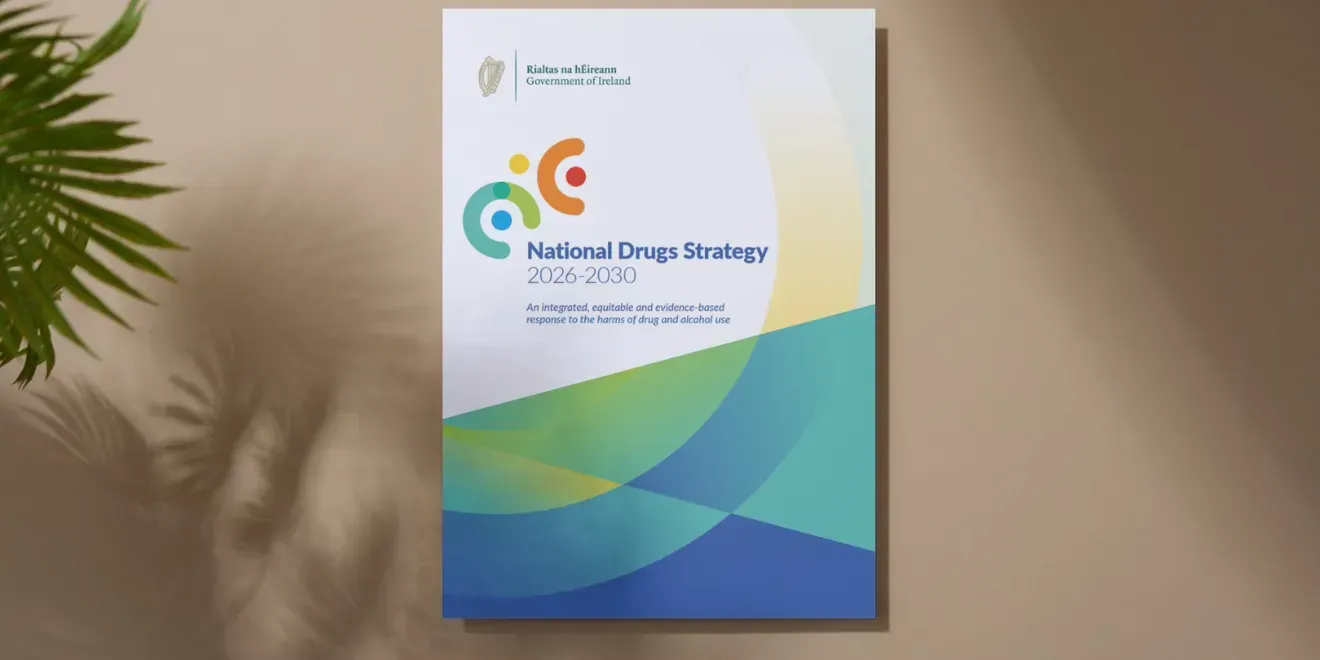
FASD Ireland is raising serious concerns that the Government’s National Drugs Strategy 2026-2030 fails to explicitly recognise Foetal Alcohol Spectrum Disorder (FASD), despite acknowledging the lifelong harms associated with prenatal alcohol exposure.