FASD Ireland is raising serious concerns that the Government’s National Drugs Strategy 2026-2030 fails to explicitly recognise Foetal Alcohol Spectrum Disorder (FASD), despite acknowledging the lifelong harms associated with prenatal alcohol exposure.
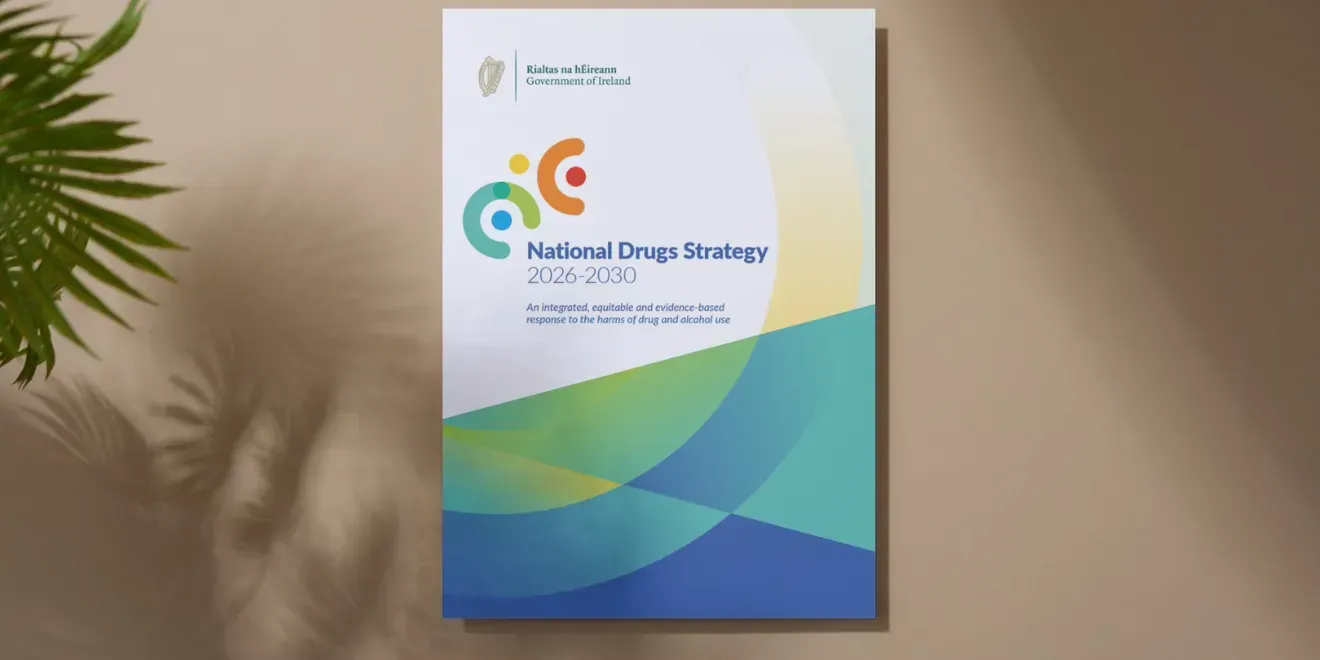
The strategy, published by the Department of Health in October 2026, states that the lifelong consequences of prenatal exposure to drugs and alcohol will be addressed through the successor National Maternity Strategy. However, it does not name FASD or set out a dedicated programme of prevention, diagnosis and lifelong support. FASD Ireland believes this is a significant missed opportunity.
Acknowledging harm is not enough
FASD is a lifelong neurodevelopmental disability that can affect learning, memory, attention, emotional regulation and everyday functioning. Many people remain undiagnosed or encounter services that do not understand their needs, while families can struggle to secure appropriate support. The HSE’s 2022 position paper cited an estimated prevalence in Ireland of between 2.8% and 7.4% of the population.
Lowering the prevalence of prenatal alcohol exposure is essential, but prevention alone cannot address the needs of children and adults already living with FASD. Ireland needs timely diagnosis, coordinated healthcare and educational supports, family services and continuity of care into adulthood. FASD does not disappear when a person turns 18.
A national response must go beyond prevention
The strategy does not establish a national diagnostic pathway, FASD-specific data collection or measurable targets. Nor does it clearly assign responsibility, funding and accountability for a coordinated response across health, disability, education, mental health and social care. Without clear ownership and resources, FASD risks continuing to fall between Government departments and public services.
Tristan Casson-Rennie, Chief Executive of FASD Ireland, said:
“Acknowledging that prenatal alcohol exposure can cause lifelong harm is important, but acknowledgement without a clear plan, dedicated resources and accountability will not deliver meaningful change. FASD is a lifelong disability, not simply a conception or pregnancy issue. Strategies to lower the prevalence of FASD matter, but what about the children, young people and adults already living with FASD? Where are their diagnostic pathways, coordinated supports and the services they need?
“Referring the issue to another strategy is not, in itself, a solution. People living with FASD must not be left waiting while responsibility is passed between departments. This silent epidemic is not silent because it is insignificant; it is silent because people can remain unseen, their needs go unrecognised and their families are left to navigate fragmented services largely on their own.”
FASD Ireland is calling on the Minister for Health, Jennifer Carroll MacNeill, the Minister for Public Health, Jennifer Murnane O Connor TD, and the Department of Health to recognise FASD explicitly, develop and fund a national strategy, establish accessible diagnostic pathways, invest in professional training and research, and set clear departmental responsibilities with measurable targets and public reporting.
“People living with FASD and their families deserve more than an acknowledgement in a policy document. They deserve a clear, funded national response and meaningful action.”